A truck driver does not check the intranet at 65 miles an hour. A nurse mid-shift does not stop to open a PDF. A machine operator with both hands on a line is not watching a two-minute town hall recap on a phone screen. Nine out of ten of these employees say their company has not solved this. The fix moving through internal communications teams in 2026 is audio, not a better app.
Frontline and deskless employees, roughly 80% of the global workforce by most industry estimates, are the hardest group for a company to reach. They rarely check a work email, and most comms channels assume a screen and a free minute, neither of which exists mid-shift. Audio does not have that problem. A briefing built as a private podcast episode plays through one earbud, on a drive or between tasks, the same way music already does.
Jellypod turns the update your team already wrote, an all-hands recap, a safety bulletin, a policy change, into a produced audio episode published to a private feed employees subscribe to in Spotify or Apple Podcasts. No new app to install, no login to remember, no screen required.

What counts as a frontline or deskless worker, and why does normal internal comms miss them?
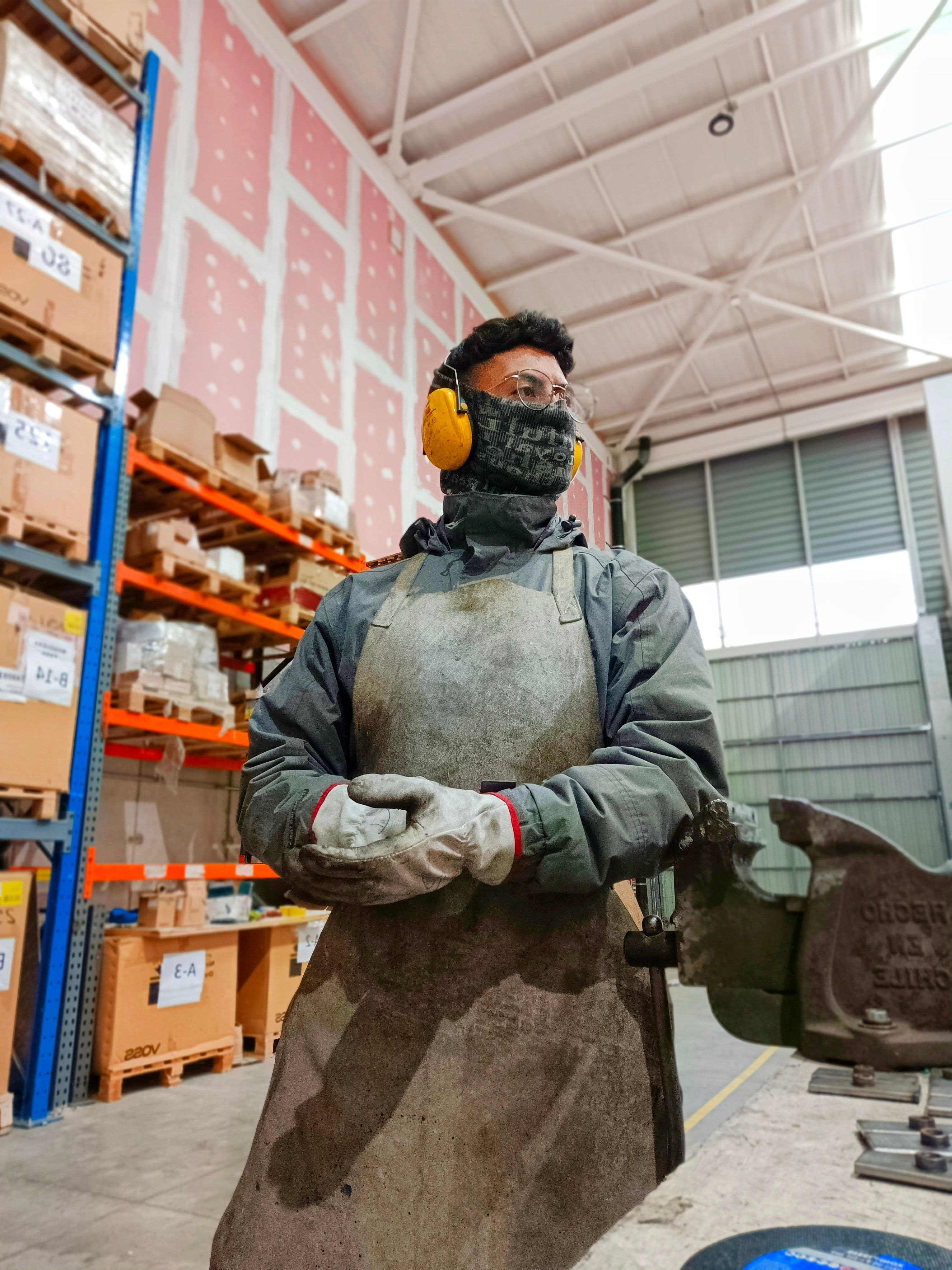
A frontline or deskless worker is anyone whose job does not include a company laptop or a desk: retail associates, warehouse and logistics staff, nurses and clinical techs, machine operators, drivers, and field service crews. Most internal communication, email, an intranet post, a recorded town hall video, was built for someone sitting at a keyboard with a few idle minutes. Frontline workers rarely have either.
The gap shows up directly in the data. The 2025 Employee Communication Impact Study by Staffbase and YouGov, based on 3,574 employees across six countries, found that only 9% of non-desk employees are very satisfied with the quality of internal communication, and 38% rate it as only fair or poor. Desk-based employees fare meaningfully better. The same study found that 63% of employees who are considering leaving their job cite poor internal communication as a contributing factor, which turns a comms problem into a retention problem.
Why are companies switching to audio for frontline communication in 2026?
Two things changed at once. First, the tools got cheap enough that producing an audio update no longer requires a studio, a script writer, or an editor: a document or a set of notes goes in, a produced episode comes out. Second, several major internal comms platforms shipped audio-first features built specifically for this audience. Staffbase On Air, for example, turns published updates into short, personalized audio briefings by role, location, and priority, explicitly aimed at "frontline employees like truck drivers, machine operators, and nurses who can't look at a screen while working."
AI adoption inside comms teams is climbing at the same time. Workshop's Internal Comms Trends Report, cited by Ragan Communications, found that 42% of internal communicators now use AI every day and another 31% use it several times a week, mostly to move faster on production work so they can spend more time on tone and strategy. Audio production is exactly the kind of production work that AI collapses from a multi-day process into a same-day one.
What should go in a frontline employee audio briefing?
Not every update belongs in an audio feed. The ones that work share a pattern: short, spoken, and tied to something happening this week.
| Content type | Typical length | Why audio works |
|---|---|---|
| Safety updates | 1-3 minutes | Heard once, understood immediately, no reading required on a floor or a site |
| Shift or schedule changes | 1-2 minutes | Faster to absorb than a posted memo, replayable if missed |
| Leadership or all-hands recap | 5-10 minutes | Covers the decisions and context for people who could not attend live |
| Policy or benefits changes | 3-6 minutes | Explains the reasoning conversationally instead of as a PDF attachment |
| Culture and recognition stories | 2-5 minutes | Builds connection to a company most frontline staff rarely visit in person |
Most platforms building for this audience converge on 2 to 5 minutes per briefing. That is short enough to finish in a break room or during a walk between stations, and long enough to cover one real update without padding. Construction and warehouse crews already run a version of this daily under a different name: see toolbox talks for how that specific safety-briefing format maps onto the same audio workflow.
How do you build one without buying a new communications platform?
You do not need a dedicated frontline app to start. You need three things: a source, a feed, and a schedule.
- Start with what comms already writesUpload the safety bulletin, the shift memo, the all-hands transcript, or the policy update. No new content to create.
- Generate the episodeJellypod turns the document into a short, conversational script and produced audio, ready to review before it goes out.
- Publish to a private feedShip it to a private RSS feed that only employees can subscribe to, in whatever podcast app they already use on their own phone.
- Put it on a scheduleFor a recurring briefing, Automations generates and optionally publishes a new episode on a daily or weekly clock without anyone repeating the setup by hand.
That last part matters more than it looks. Across every podcast created on Jellypod, more than one in five are set to private or unlisted visibility, never intended for a public podcast directory at all. A meaningful share of what looks like "podcast creation" on the platform is already restricted-audience audio: the exact shape a frontline briefing needs, minus the new software purchase.
Frontline audio vs. a dedicated intranet suite
Purpose-built frontline comms platforms are real and useful at large scale, and they bundle audio alongside task management, translation, and directory features. The tradeoff is that the audio briefing only exists inside that platform's app, which means rollout requires every frontline employee to install something new.
A private podcast feed skips that step. It plays in Spotify, Apple Podcasts, Overcast, or any app already on an employee's phone, the same app they use for music on the drive home. For a mid-size team testing whether audio moves the needle before committing to a full platform migration, that is a lower-friction way to find out. It is the same principle Boi Carpenter, VP of Alumni Relations at Johns Hopkins, used to turn her leadership writing into a cloned-voice podcast: "a digital version of myself and a way to amplify my voice without having to hire another employee." Scaling a voice without adding headcount is the same problem whether the audience is alumni or a night shift crew.
Frequently asked questions
What is a frontline or deskless employee?
A frontline or deskless employee is anyone whose job does not involve a desk, a company laptop, or regular access to email during work hours, including retail staff, warehouse and logistics workers, nurses, machine operators, drivers, and field service teams. They make up roughly 80% of the global workforce, and most internal communication tools are still built for the other 20%.
How long should a frontline audio briefing be?
Two to five minutes for most updates. Safety notes and schedule changes can run under two minutes. Save longer formats, an all-hands recap or a quarterly update, for 8 to 10 minutes, and keep those to a weekly or monthly cadence rather than daily.
Do frontline workers need a special app to listen?
No, if the briefing is published as a podcast. It plays in Spotify, Apple Podcasts, or any podcast app already on an employee's own phone. Dedicated frontline comms platforms bundle audio inside their own app, which requires a separate install and login.
Can a frontline audio briefing stay private to employees?
Yes. Publish to a private RSS feed that is not submitted to any public podcast directory. Only people with the feed link can subscribe, and the show never appears in a Spotify or Apple Podcasts search.
What if we already have an intranet or comms platform?
An audio feed does not have to replace it. Most teams run it alongside existing channels as a second route to the same update, one that reaches people during a shift instead of only at a desk. See the internal communications podcast guide for how the two typically coexist.
The short version
Frontline and deskless employees, most of the workforce, are underserved by comms built for a desk, and it shows up as low satisfaction and higher turnover risk. Audio briefings close that gap without requiring a new platform: turn the update you already wrote into a short episode, publish it to a private feed, and let it play in the podcast app already on an employee's phone. See how to set one up.