
Half of patients with a chronic disease do not take their medication the way it was prescribed. Not as one missed dose. As a pattern, refill after refill.
A 2014 review in Risk Management and Healthcare Policy by Aurel Iuga and Maura McGuire pooled decades of chronic-disease research and found medication adherence rates ranging from 25% to 50%, with the resulting avoidable cost to the US health system estimated between $100 billion and $300 billion a year, 3% to 10% of total US health care spending. The rate barely moves by drug class. It moves by whether a patient understood the plan they left the office with. Jellypod turns the same medication instructions, discharge summary, or care plan a clinic already writes into a short audio or video episode a patient is more likely to actually finish, narrated in the voice of the clinician who wrote it.
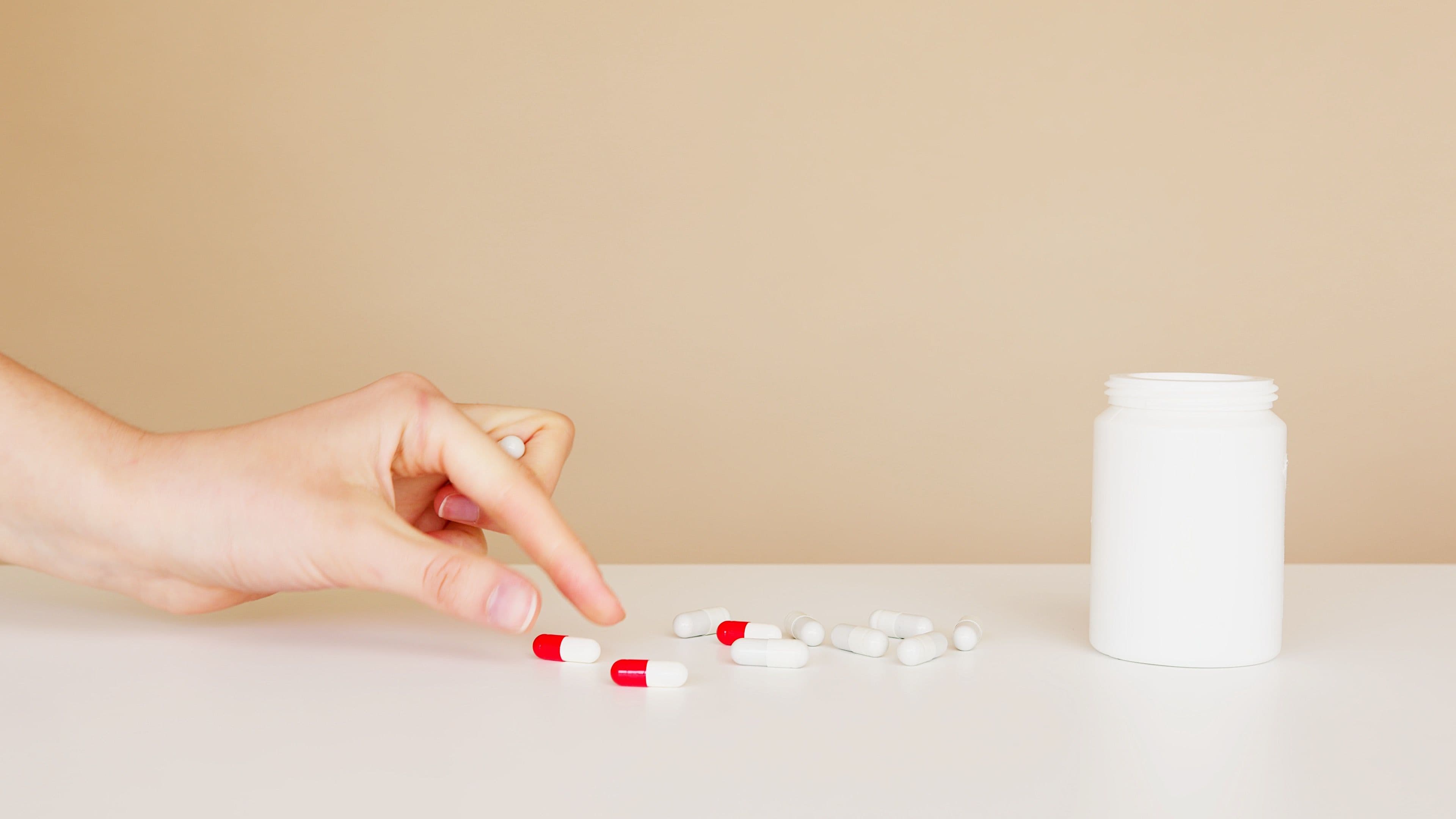
Why don't patients take their medication as prescribed?
The comprehension gap, what shows up clinically as low health literacy, comes first. Iuga and McGuire's review found nonadherence patterns differ by disease in ways that track how well the instructions land: adherence to diabetes medication tends to correlate cleanly with lower total costs, while for mild asthma the relationship gets murkier, because patients who do not understand why a controller medication matters when they feel fine tend to stop early. A patient who cannot explain back why a drug matters, what happens if a dose is missed, or how long the course runs is a patient who is statistically likely to stop taking it, the exact gap the teach-back method is built to catch before a patient leaves the room.
That gap starts before the prescription is even filled. A 2022-announced trial led by Dartmouth Health with Vanderbilt University Medical Center and the University of Texas Medical Branch, funded by a $3.5 million National Institute on Aging grant, cites prior research that patients forget up to 80% of what a clinician tells them in an appointment almost immediately after leaving the room. Written after-visit summaries were supposed to fix that. They mostly did not, largely for the same readability problems documented in patient education handouts: dense language, a page among a stack of discharge paperwork, no one to walk through it out loud.
Does patient education actually improve medication adherence?
Yes, and the newest trial data on this is specific enough to be useful. A randomized controlled trial published in Sleep and Breathing in July 2025 tested a 3-minute video, built on Bandura's social cognitive theory, against standard counseling for patients starting CPAP therapy for sleep apnea. At three weeks, 68.2% of the video group met the adherence threshold against 50% of the standard-care group (p = 0.034), and average nightly use ran 6 hours against 4.5 hours in the control arm. Three minutes of video moved adherence by 18 percentage points.
That result sits inside a wider pattern. A 2024 review in the Journal of Medical Internet Research covering 15 clinical trials on patient education video found comprehension gains in 73% of them, detailed in what those trials found about patient education video. CPAP adherence is a device habit, not a pill, but the mechanism is the same one behind both results: a patient who understands why a treatment matters, heard rather than read, sticks with it longer.
Does audio work as well as video for medication adherence?
The evidence here is earlier-stage but pointed in the same direction. The Dartmouth-led trial cited above is testing exactly this question: whether giving patients an audio recording of their own clinic visit, to replay at home, improves medication adherence and diabetes quality-of-life measures over a full year, against standard care alone. The trial has not reported adherence outcomes yet. What its own formative research already found is that when patients get the recording, 71% listen to it and 68% share it with a caregiver, both correlated with better recall of what was actually said.
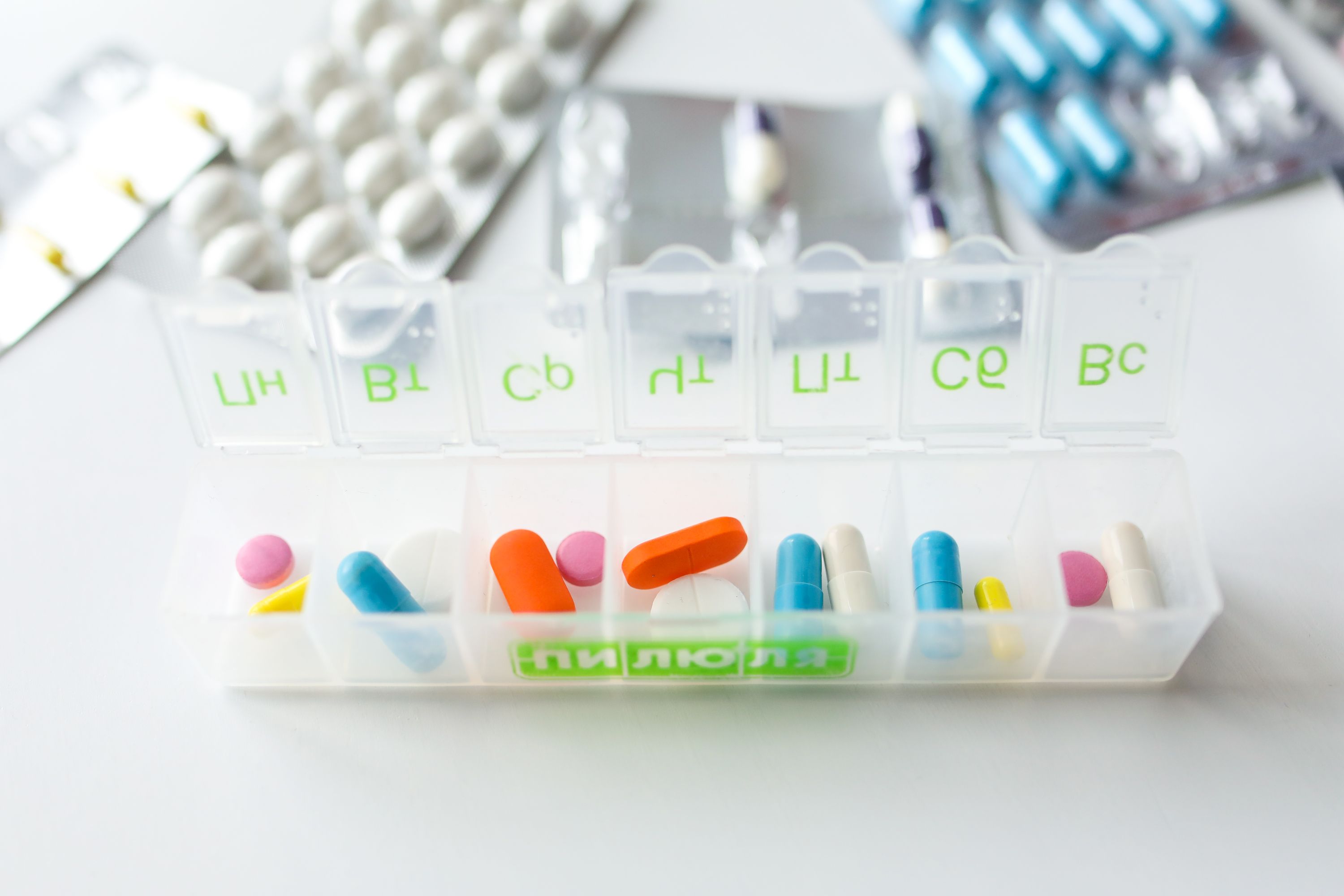
That 71% listen-back rate matters because it is the same behavior a 2025 systematic review in BMC Medical Education found across 21 studies on podcasts in patient education, covered in the research on patient education handouts: people who will not finish a printed page will often finish a few minutes of audio, especially played back on their own schedule instead of squeezed into the last two minutes of an appointment.
How do you turn a medication plan into something a patient will actually follow?
The document already exists. Most clinics are not missing content, they are missing a format a patient will use.
- Upload the medication instructions, discharge summary, or care plan you already writeJellypod drafts a script grounded in the exact drug name, dose, schedule, and warning signs in that document, not a generic explanation of the drug class.
- Review the script against the source before producing audio or videoDosing and timing cannot be approximately right. Check every number against the source document before moving to production.
- Choose a voice, or clone the prescriber's ownA familiar voice carries the same trust a patient already has in the person who wrote the plan. See voice cloning for how that works with consent.
- Publish to a private feed for that patient, or a public one for general educationA one-off care plan stays restricted to the patient it was made for. General medication guidance, like how to take a common maintenance drug, can go out publicly.
Across Jellypod's Health & Fitness podcasts, roughly three in four episodes are already built from an uploaded document instead of a topic prompt alone, a higher rate than the roughly seven in ten seen platform-wide. Medication instructions are exactly the kind of source that workflow was built for: a specific drug, a specific patient, nothing generalized. The same source document can also go out natively in another language rather than translated line by line, which matters for a pharmacy or clinic serving patients who do not read English at a proficient level.
A real example
Dr. Muhamad Aly Rifai, a practicing psychiatrist, started producing patient-facing episodes on Jellypod because a printed handout was never going to reach the people who needed it most. What made his channel work was not a single viral episode. It was consistency: a patient who comes back to hear the next one is a patient who is still engaged with their care between visits, the same continuity that keeps a medication plan on track between refills. "People were hungry for information from a real psychiatrist," he said, and his audience grew because the voice never changed even as the topics did.
Frequently asked questions
What is medication adherence?
Medication adherence is whether a patient takes a prescribed medication as directed: the right dose, at the right time, for the full length of the course. Nonadherence includes stopping early, skipping doses, or never filling the prescription at all.
Why is medication adherence so low?
Cost and side effects play a role, but a 2014 review in Risk Management and Healthcare Policy found comprehension is the more consistent factor: patients who do not understand why a medication matters, especially one that treats a condition they cannot feel, are the ones most likely to stop. A separate finding that patients forget up to 80% of what a clinician tells them in a visit, cited by a Dartmouth-led trial, compounds the problem before the prescription is even filled.
Does video or audio education actually improve medication adherence?
The best available trial evidence says yes. A 2025 randomized controlled trial found a 3-minute video raised adherence from 50% to 68.2% for patients starting CPAP therapy. Audio has weaker direct adherence data so far, but a federally funded trial is testing it now, and formative results already show 71% of patients listen back to an audio recording of their visit, with better recall as a result.
Can medication education be produced in a patient's own language?
Yes. The same care plan or medication instruction document can generate audio or video written natively in another language, the same approach Jellypod uses across 29 languages for podcasts generally, rather than a line-by-line translation of an English script.
Does this replace pharmacist counseling or a follow-up call?
No. Audio and video education supplement, not replace, direct clinical contact. The research points to it as a way to reinforce what a pharmacist or clinician already said, in a format a patient can revisit after the appointment ends, not as a substitute for a human answering a specific question.
The short version
Nonadherence sits at 25% to 50% for chronic disease medication and the pattern tracks comprehension more than anything else. A 3-minute video moved CPAP adherence 18 points in a 2025 trial. A federally funded study is testing whether an audio recording of a patient's own visit does the same for medication adherence and diabetes outcomes. The document a clinic already writes, turned into something a patient will actually finish, is the workflow behind both results. See how Jellypod fits into health and medical content.