Patient education handouts are the printed sheets and PDFs a clinic hands over to explain a diagnosis, a procedure, or how to care for yourself once you're home. Most patients glance at one, fold it into a bag with the rest of the discharge paperwork, and never open it again.
That is a format problem, not a motivation problem. The federal government's own National Assessment of Adult Literacy found that only 12% of US adults read at a level rated proficient for health information, and a 2019 meta-analysis of 51 studies found patients correctly recalled just 58% of written discharge instructions, worse than the 67% recall rate for video. Jellypod turns the same handout, discharge summary, or care plan a clinic already writes into a short audio episode a patient can play on their phone, in their own language, instead of a sheet of paper they are supposed to remember to read.

Why don't patients read discharge instructions and handouts?
The recall numbers are worse than most clinics assume. The 2019 meta-analysis in Annals of Emergency Medicine, pooling 51 studies on emergency department discharge instructions, found patients correctly recalled 47% of instructions delivered verbally, 58% delivered in writing, and 67% delivered on video. Written material, the format almost every handout still uses, sits in the middle of that range: better than a rushed explanation on the way out the door, worse than anything with a voice attached to it.
Low health literacy compounds the problem. The 2003 National Assessment of Adult Literacy found only 12% of US adults score proficient on health-related reading tasks, things like interpreting a prescription label or following a set of discharge steps. Fifty-three percent score at an intermediate level, and the remaining more than a third score basic or below basic, meaning a handout written at an ordinary reading level goes over the head of a large share of the room it is handed to.
| Delivery format | Average correct recall | Where it commonly shows up |
|---|---|---|
| Verbal only | 47% | A rushed explanation on the way out the door |
| Written (handout, PDF, discharge summary) | 58% | Printed take-home sheets, after-visit summaries |
| Video | 67% | Pre-recorded explainer clips, some portal messages |
Recall percentages from the 2019 Annals of Emergency Medicine meta-analysis of 51 studies on ED discharge instructions.
Does audio actually help patients understand and remember health information?
The evidence is younger than the written-handout literature, but it points the same direction. A 2025 systematic review in BMC Medical Education, covering 21 studies on podcasts in patient and health education published between 2010 and 2024, found seven studies showed measurable gains in patient knowledge retention, comprehension, and engagement when material was delivered as a podcast instead of a static document. A separate cluster of five studies pointed to a second benefit that a printed handout cannot offer: patients could listen at their own pace, on their own schedule, instead of trying to absorb everything in the few minutes they have a clinician's attention.
The same review is honest about the limits: three of the 21 studies flagged inconsistent production quality as a real risk when a podcast is not grounded in vetted source material. That is the part a generic health podcast cannot solve and a clinic's own handout can. On Jellypod, health and medical content is not a hypothetical use case: close to 5,000 podcasts on the platform are already categorized under Health & Fitness, the fourth-largest category behind only Leisure, Education, and Business.
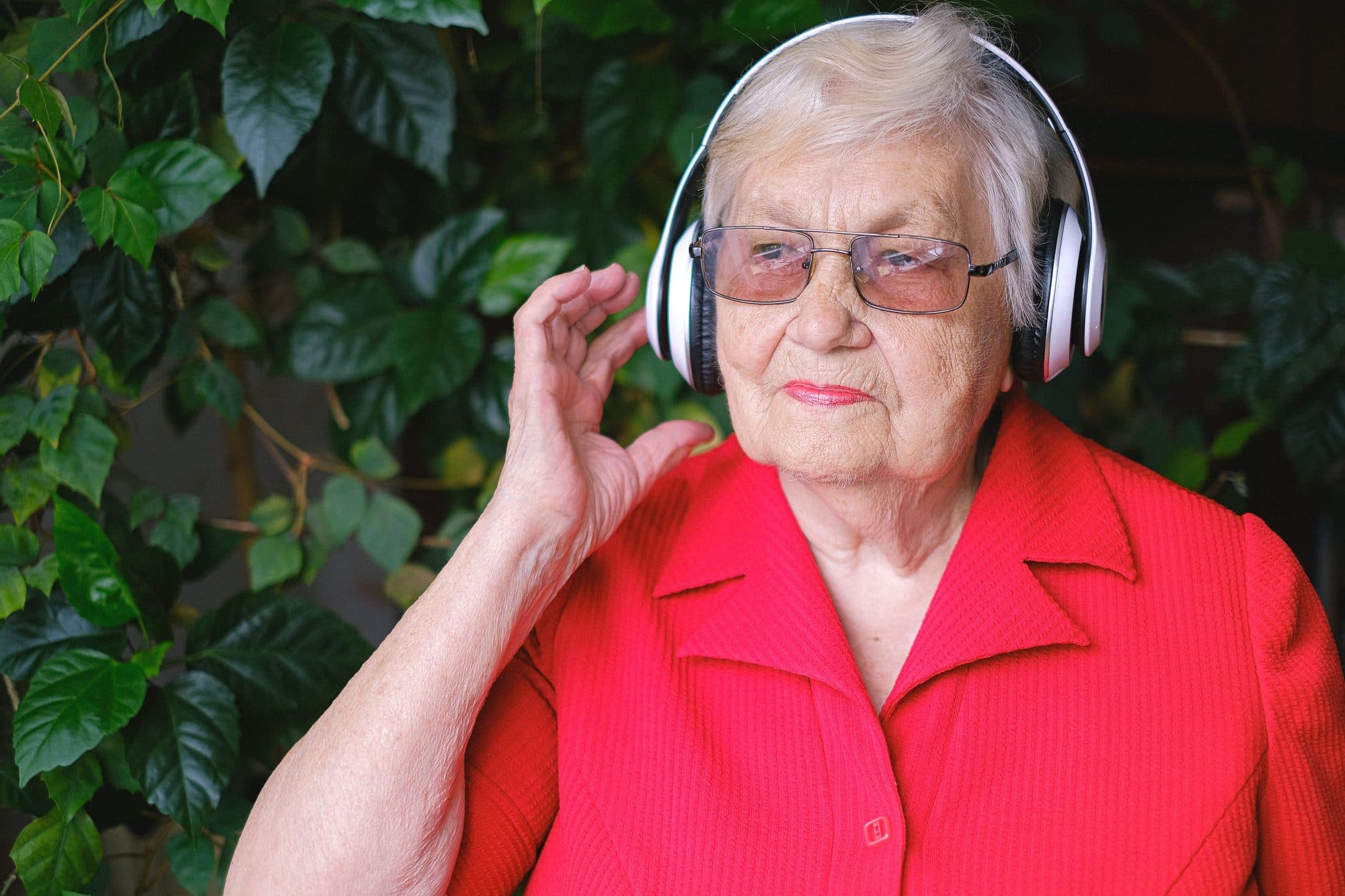
How do you turn an existing patient handout into an audio episode?
You do not need a studio, a narrator, or a new writing process. You need the document you already hand patients today.
- Upload the handout, discharge summary, or care plan you already useNo need to write a new script from scratch. Jellypod drafts one from the actual document, grounded in what it says rather than a generic explanation of the diagnosis or procedure.
- Review the script against the source before producing audioMedical content cannot be approximately right. Check names, dosages, and any measurement against the source document before moving to audio.
- Choose a voice, or clone the clinician's ownA consistent host voice across every episode builds the same familiarity a patient gets from seeing the same doctor. Voice cloning lets a clinician's own voice carry the episode without recording it themselves.
- Publish it where the patient will actually find itA public feed works for general education content meant for anyone. A private, unlisted feed keeps a specific care plan restricted to the patient it was made for.
The same discipline that applies to any clinical content applies here: upload the actual document rather than describing the topic from memory. A script grounded in the handout a clinician already reviewed and approved carries far less risk than one generated from a topic name alone.
Can patient education audio be produced in a patient's own language?
Yes, and this is where audio does something a printed handout cannot do cheaply: Jellypod generates podcasts natively in 70+ languages, written for that language rather than translated line by line from an English draft. A discharge plan or a diabetes care handout can go out in Spanish, Mandarin, or Arabic from the same source document, without a second writer or a translation vendor. For a clinic serving a multilingual patient population, that turns one care plan into as many versions as the patients who need to understand it, at the cost of generating each one rather than commissioning a new translation every time.
A real example: reaching patients who were never going to read a pamphlet
Dr. Muhamad Aly Rifai, a practicing psychiatrist and former National Institute of Mental Health researcher, started producing patient-facing episodes on Jellypod because traditional podcast production was too slow and too expensive for a working clinician. His ADHD episode went viral on Spotify, and his YouTube channel grew from roughly 150 subscribers to more than 1,000. In his words, "people were hungry for information from a real psychiatrist."
That is the same dynamic at a smaller scale for a single discharge instruction or care plan: a patient who would never finish a printed pamphlet will often finish two minutes of audio in a clinician's own voice.
Frequently asked questions
What is a patient education handout?
A patient education handout is a printed sheet or PDF a clinic gives a patient to explain a diagnosis, a procedure, medication instructions, or post-visit care. It is the most common format for patient education material, and also the format research shows the lowest recall rates for outside of a rushed verbal explanation.
Why don't patients read discharge instructions?
Two compounding reasons: format and literacy. A 2019 meta-analysis found written instructions are recalled correctly only 58% of the time, and the 2003 National Assessment of Adult Literacy found just 12% of US adults read at a proficient level for health information, meaning most handouts are written above the level a large share of patients can process while stressed, in pain, or on the way out the door.
Is audio better than a written handout for patient education?
Available research points that direction. Video recall (67%) already beats written recall (58%) in the same 2019 meta-analysis, and a 2025 systematic review found podcasts improved comprehension, retention, and engagement in a majority of the studies that measured it. Audio is not a replacement for clinical judgment or a signed consent form, but as a format for the education content itself, it consistently outperforms a page a patient is expected to read alone. For material where video's edge matters most, see what a separate set of clinical trials found on patient education videos.
Can patient education podcasts be private to a specific patient or program?
Yes. A podcast can publish to a private, unlisted feed that is not submitted to Spotify's or Apple Podcasts' public directories, restricted to whoever has the link. See the RSS feed guide for how that distribution model works for content meant for a restricted audience rather than the public.
Does audio replace printed patient education materials entirely?
No, and it does not need to. A printed handout still matters as a reference a patient can hold, especially for information like a phone number or a dosage schedule they need to glance at later. Audio covers what print does poorly: explaining the reasoning, answering the "why" behind an instruction, and reaching a patient who was never going to read the page in the first place. Understanding the plan is also the first step toward following it: see what the research says about medication adherence for what happens after a patient leaves the visit.
How does this relate to the teach-back method clinicians already use?
Audio and video handouts give a patient something to review before or after a clinician checks their understanding out loud. They do not replace that live check. See what the research says about the teach-back method for how the two work together: one confirms understanding in the room, the other reinforces it afterward.
The short version
Patients do not skip discharge instructions and handouts out of carelessness. The research says the format is working against them: written material is recalled less often than video, and most handouts are written above the reading level a large share of patients bring to a stressful visit. Turning the same, already-reviewed handout into a short audio episode, produced in a patient's own language and delivered where they will actually hear it, closes a gap the printed page cannot. See how Jellypod fits into health and medical content.