
Fifteen randomized trials, 2,454 patients, one repeated result: when a hospital replaced a written handout with a two-minute video, patients understood more of what they were told. In one emergency department trial, comprehension nearly doubled. That is not a marginal gain. That is the difference between a patient who follows a care plan correctly and one who does not.
A December 2024 systematic review led by researcher Steffen Hansen in the Journal of Medical Internet Research pooled 15 randomized controlled trials on animation-style patient education videos and found 11 of them, 73%, reported statistically significant gains in health information recall compared with standard care. A separate emergency department trial pushed the point further: adding video discharge instructions to standard written care raised average comprehension scores from 30.1% to 52.3% (Wray et al., Western Journal of Emergency Medicine, 2021).
The research question was settled a while ago. The production question was not. Jellypod turns a clinic's own handout, discharge summary, or care plan into a narrated, captioned video through Magic Video, without an animation studio, a licensed video library, or a two-week production cycle.
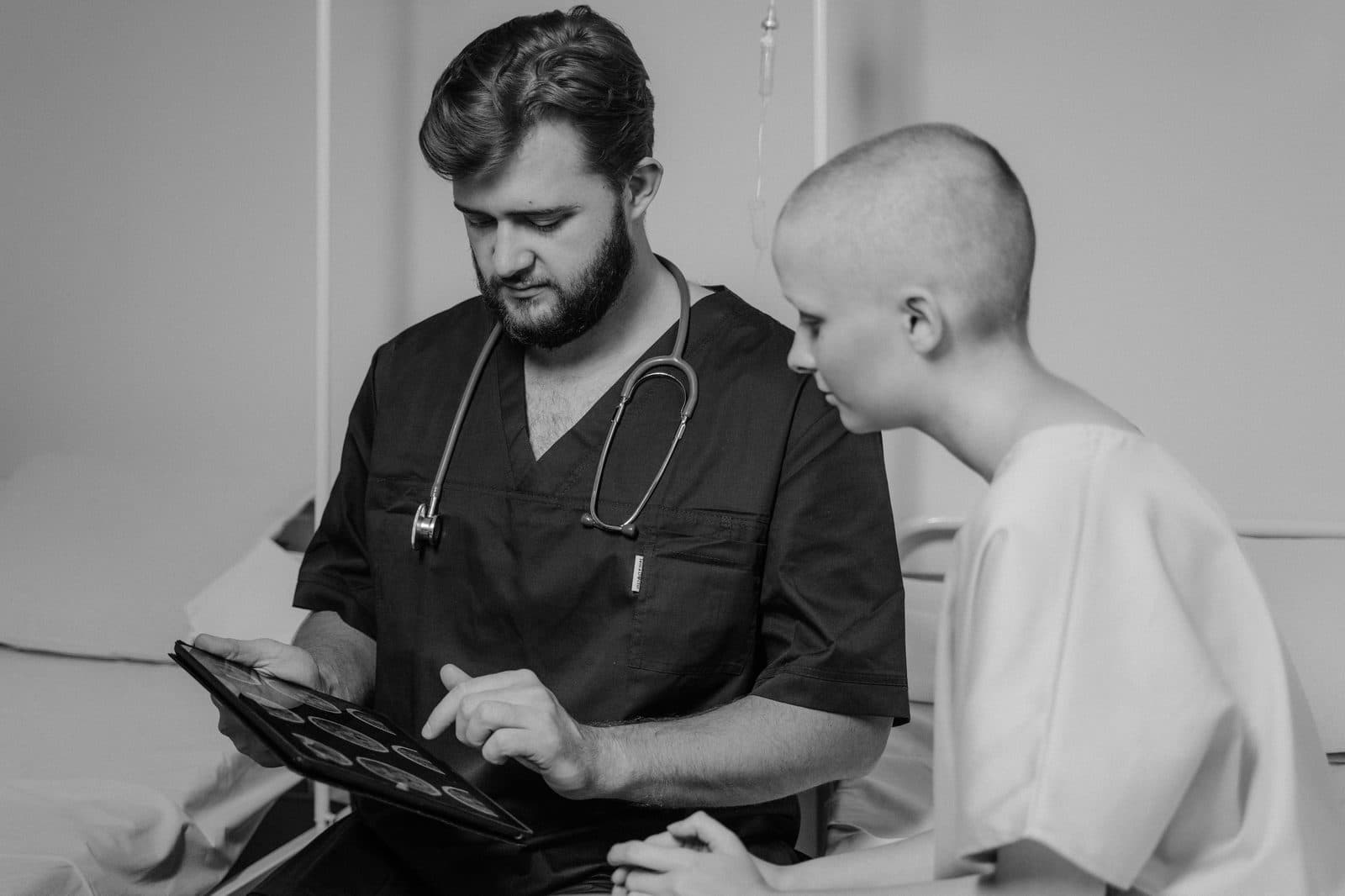
Do patient education videos actually improve recall and comprehension?
The evidence holds up across a wide range of conditions and settings. The JMIR review covered trials from the US, Australia, Canada, and France, and found videos ranging from one to fifteen minutes long, most commonly landing between one and eight minutes. Three of the fifteen trials used a whiteboard-style animation, the hand-drawn look where illustrations build as the narrator speaks, and all three reported a positive effect on recall, the cleanest track record of any style in the review.
Not every trial found a video advantage. Three studies found animation performed about the same as usual care, and one found usual care slightly ahead. The pattern in those exceptions is informative: video tends to underperform when the instruction is physical rather than informational. In the emergency department trial above, video sharply improved comprehension for closed head injury (27% to 46%) and vaginal bleeding in early pregnancy (20% to 60%), but made almost no difference for splint care (53% to 66%, not significant) or suture care (29% to 31%, not significant), tasks a patient mostly needs to see demonstrated on their own body rather than explained in general terms.
The takeaway is not that video always wins. It is that video reliably wins for the kind of content a written handout tends to compress into a dense paragraph: what a diagnosis means, why a medication matters, what a result implies.
What makes a patient education video different from a general explainer video?
A generic health video explains a condition. A patient education video has to explain a specific patient's situation, grounded in the exact document a clinician already wrote and approved. That distinction matters more than it sounds. The licensed video libraries hospitals already pay for are built around a fixed catalog of pre-produced clips mapped to diagnosis codes. They work well when a patient's situation matches the catalog. They cannot produce a video for the specific care plan a clinician just wrote for that patient today.
That is the gap a document-grounded workflow closes. Instead of pulling the closest matching clip from a library, a clinic uploads the handout, discharge summary, or care plan it already uses, and the script is drafted from what that document actually says: the same dosage, the same follow-up date, the same instructions the clinician signed off on. Nothing gets generalized into a stock explanation of the diagnosis.
Which video style works best for patient education?
Every video still needs a visual identity, and the JMIR review's numbers point toward one style in particular. Two-dimensional cartoon animation appeared in seven of the fifteen trials and three-dimensional computer animation in four, but whiteboard animation, the illustrated-as-narrated style, is the one where all three trials that used it reported a positive effect on recall.
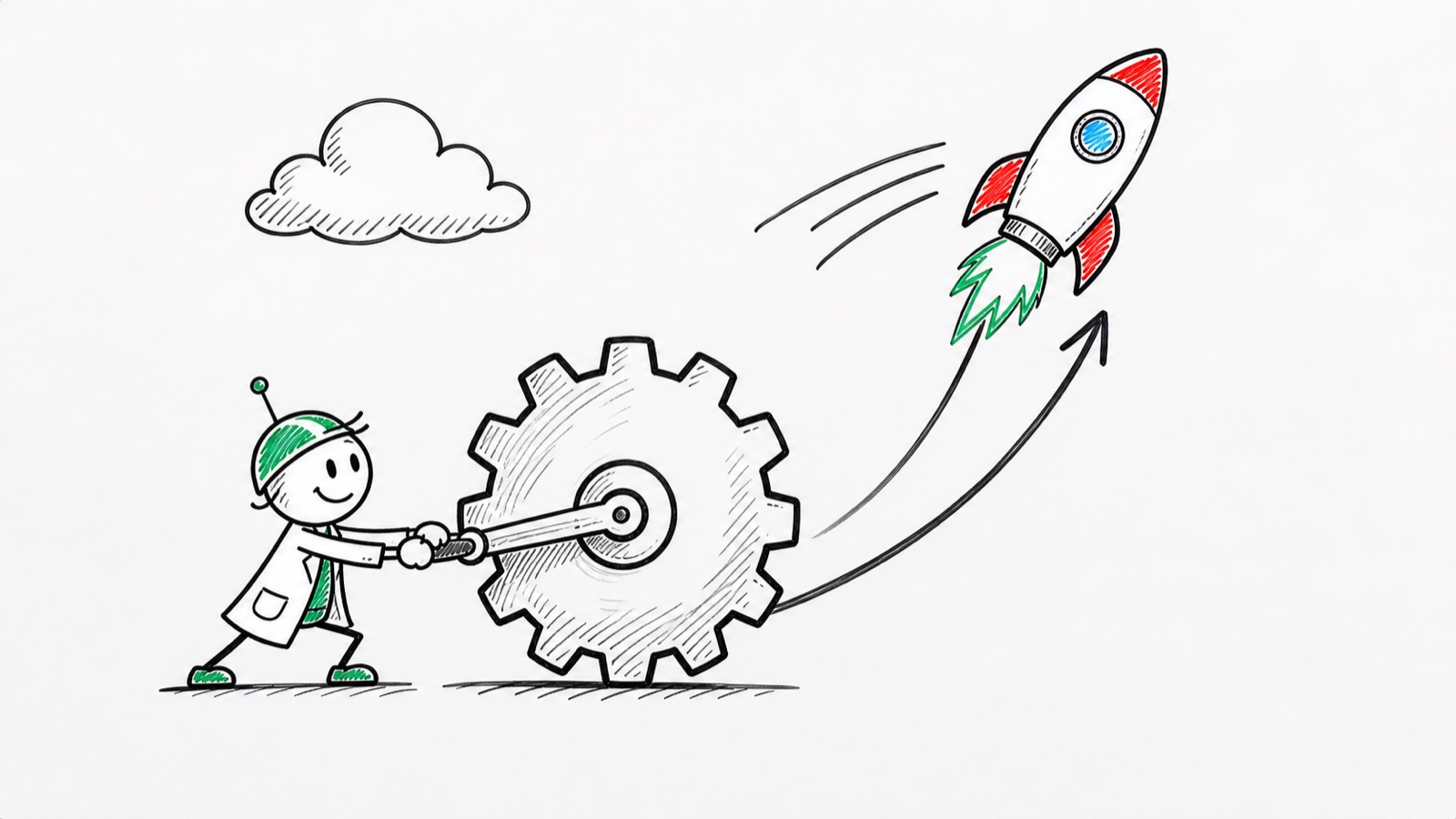
Whiteboard animation carries a specific advantage for patient material: it reads as teaching rather than marketing. On Jellypod, Magic Video's Whiteboard Explainer style illustrates a script scene by scene as the narration plays, the same drawn-as-you-watch look the review's whiteboard trials used, generated from the source document instead of storyboarded and hand-animated by a studio. For material that calls for a different tone, other visual styles are available, including Claymation for something warmer.
How do you make a patient education video from a document you already have?
- Upload the handout, discharge summary, or care plan you already useJellypod drafts a script grounded in what the document says, not a generic explanation of the diagnosis or procedure.
- Review the script against the source before producing videoMedical content cannot be approximately right. Check names, dosages, and any instruction against the source document before moving to visuals.
- Choose a voice and a visual styleClone a clinician's own voice for continuity, and pick Whiteboard Explainer or another style that fits the material.
- Render and publishEvery video renders with word-synced captions, downloads as an MP4, and can go out in another language using the same workflow that generates podcasts in 70+ languages.
The whole loop stays inside your plan's Magic Video length, up to 25 minutes on Business, which covers everything from a 90-second medication explainer to a longer post-surgical care walkthrough. Preview the underlying generation for free with the AI Podcast Generator, or try the whiteboard animation generator on a single sentence before committing to a full workflow. For the medication explainer case specifically, see what closes the gap on medication adherence once a patient understands the plan. A video like this is not a substitute for a clinician confirming understanding in the room; it is what a patient reviews before the next teach-back check, so less has to be relearned from scratch.
A real example
The same document-grounded approach already has a track record on Jellypod for audio. Dr. Muhamad Aly Rifai, a practicing psychiatrist, built a patient-facing channel on the platform because traditional production was too slow for a working clinician. "People were hungry for information from a real psychiatrist," he said, and his content reached an audience a printed handout never would have. Video is the same workflow with one more format on top: the same grounded script, produced as a captioned video instead of, or alongside, an audio episode. See why patients don't read handouts for the fuller research case for moving education material off the printed page.
Frequently asked questions
Do patient education videos really work better than handouts?
The best available evidence says yes for informational content. A 2024 review of 15 randomized trials found 73% reported significant recall gains from animation-style videos, and a separate emergency department trial found comprehension nearly doubled, from 30.1% to 52.3%, when video was added to standard written care. Video works less well for hands-on tasks like splint or suture care, where a patient needs to see something demonstrated on their own body rather than explained.
How long should a patient education video be?
Most of the trials in the JMIR review used videos between one and eight minutes, with the largest single group landing under five. Match the length to the content: a single medication or result fits in one to two minutes, while a full post-procedure care plan can run longer without losing patients who arrived already needing the information.
What is the best animation style for patient education?
Whiteboard animation had the cleanest record in the JMIR review, with all three trials that used it reporting a positive effect on recall. It also reads as teaching rather than marketing, which matters for material a patient needs to trust.
Can a patient education video be made in more than one language?
Yes. The same source document can generate a video written natively in another language rather than translated line by line, the same approach Jellypod uses for multilingual podcasts across 70+ languages, which matters for a clinic serving patients who speak different languages.
Does a patient education video need clinician review before publishing?
Yes, the same way a written handout does. Medical content should be grounded in a document a clinician has already approved, and the generated script should be checked against that source, names, dosages, dates, before any video goes out. AI drafts the video. A clinician still signs off on the content.
The short version
Fifteen trials and one blunt emergency department number make the same point: video beats a written page for the kind of information a patient needs explained, not demonstrated. The barrier was never whether it works. It was the studio, the storyboard, and the two-week turnaround a hospital rarely has for a single handout. Turning the document a clinic already wrote into a captioned, narrated video now takes the same workflow as generating a script, without either. See how Jellypod fits into health and medical content.